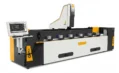

Air leakage and oil leakage on hydraulic and pneumatic components are common failures of single-head and double-head aluminum cutting saws. Minor leaks will cause insufficient clamping force, unstable cutting precision, increased energy consumption and abnormal machine noise. If the leakage problem is ignored for a long time, it will lead to serious equipment damage, automatic machine alarms, unqualified aluminum processing products and even complete production shutdown.
This article sorts out the main leakage positions, root causes, step-by-step troubleshooting methods and daily preventive maintenance skills for hydraulic oil leakage and pneumatic air leakage of aluminum cutting equipment, helping operators quickly solve leakage faults and restore stable machine operation.
Part 1: Common Causes & Solutions for Pneumatic Air Leakage
Pneumatic systems mainly include air cylinders, solenoid valves, air pipes, pipe joints and pressure regulating valves. Air leakage usually produces obvious hissing sound during machine standby or operation.
1. Loose air pipe joints
Long-term machine vibration will loosen the quick connectors of air pipes, resulting in air escape at the interface.
Solution: Cut off the air supply, reinsert the air pipe tightly into the connector, and replace cracked or aged plastic air pipes directly.
2. Aging sealing rings inside air cylinders
Continuous reciprocating friction wears the built-in rubber sealing rings of clamping and lifting cylinders, causing air leakage at cylinder piston rods or end caps.
Solution: Dismantle the cylinder, replace all aging O-rings and dust-proof seals with new matching accessories.
3. Damaged solenoid valve spool seals
Internal seal wear of electromagnetic directional valves leads to internal air leakage, which makes the cylinder move slowly or fail to lock profiles tightly.
Solution: Clean the valve body with compressed air; replace the whole solenoid valve if internal sealing components are severely worn.
4. Damaged pressure relief valve
The pressure regulating valve cannot seal tightly, leading to continuous air leakage and unstable air pressure output.
Solution: Clean internal dust and aluminum scraps; replace the pressure regulating valve if leakage persists after cleaning.
Part 2: Main Causes & Fixes for Hydraulic Oil Leakage
Hydraulic oil leakage mostly appears on hydraulic stations, oil cylinders, oil pipelines, threaded joints and valve blocks. Oil stains on the machine body are the most intuitive sign of oil leakage.
1. Loose threaded oil pipe joints
Vibration during cutting loosens the threaded connections of high-pressure oil pipes, and hydraulic oil seeps out along the threads.
Solution: Shut down the machine and cut off power, tighten the joint threads evenly, and wrap raw tape on threads for better sealing when reinstalling pipes.
2. Aging oil cylinder sealing components
High pressure and long-term friction cause hardening, cracking and deformation of cylinder piston rod oil seals, resulting in oil dripping at the cylinder rod.
Solution: Drain residual hydraulic oil, disassemble the cylinder, and replace all oil seals, gaskets and buffer rings of the cylinder assembly.
3. Cracked high-pressure oil pipes
Aging rubber oil pipes or excessive extrusion produce tiny cracks, leading to slow oil seepage or sudden large oil spray.
Solution: Replace damaged oil pipes immediately; avoid bending oil pipes sharply during installation to prevent secondary cracking.
4. Damaged hydraulic station gaskets
The sealing gasket between the oil tank cover, filter and valve block ages and deforms, causing oil leakage from the hydraulic station surface.
Solution: Replace all flat rubber gaskets, and clean the fitting surfaces to remove aluminum dust and residual old oil stains.
5. Overfilled hydraulic oil
Excess hydraulic oil exceeds the standard liquid level, and oil will overflow from the vent hole of the oil tank during machine operation.
Solution: Drain redundant hydraulic oil to the marked standard liquid level on the oil tank.
Part 3: Standard Step-by-Step Troubleshooting Process for Any Leakage
1. Cut off power and air/hydraulic supply first
Before checking and repairing leakage faults, shut down the cutting machine completely, close the air source switch and hydraulic pump to avoid accidental air blow or oil spray hurting operators.
2. Clean all components to locate leakage points
Wipe oil stains and dust on pneumatic and hydraulic parts with a rag, then turn on the air or hydraulic system for a short time to accurately find all leakage positions.
3. Judge leakage severity
For slight seepage at joints: tighten connectors and add sealing materials first.
For obvious dripping or continuous air hissing: replace aging sealing rings, pipes or valves directly.
For large-area oil spraying: stop the machine immediately and replace damaged pressure-bearing components.
4. Test machine operation after repair
After finishing replacement and tightening work, run the machine without cutting materials for 5 to 10 minutes, observe whether air or oil leakage recurs, and check if clamping pressure and cylinder movement recover to normal standards.
Part 4: Daily Maintenance to Prevent Hydraulic and Pneumatic Leakage
1. Wipe all hydraulic and pneumatic parts to remove aluminum dust every day after production; metal scraps will accelerate seal wear.
2. Inspect air pipes, oil pipes and all joints once a week, tighten loose connectors in advance to avoid later leakage faults.
3. Replace all rubber sealing rings, gaskets and dust-proof strips regularly every 6 months, even if no leakage occurs.
4. Use clean, standard hydraulic oil and dry filtered compressed air; impurities in oil and air will scratch internal sealing components.
5. Avoid excessive pressure adjustment of air and hydraulic systems; overpressure will quickly damage seals and cause burst leakage.
6. Do not bend or squeeze oil pipes and air pipes during profile loading and cutting to prevent pipeline cracking.
Conclusion
Air leakage and oil leakage of hydraulic and pneumatic parts on aluminum cutting saws are almost all caused by loose connectors, aging rubber seals, damaged pipelines and contaminated working medium. Timely inspection and repair can avoid equipment overload alarms, unstable cutting size and extra material waste.
By following standardized daily maintenance rules, factory operators can greatly reduce the occurrence of hydraulic and pneumatic leakage faults, keep single-head and double-head aluminum cutting saws running continuously and stably, extend the service life of all pneumatic and hydraulic accessories, and lower long-term equipment maintenance costs.


